Archives
- 2026-08
- 2026-07
- 2026-06
- 2026-05
- 2026-04
- 2026-03
- 2026-02
- 2026-01
- 2025-12
- 2025-11
- 2025-10
- 2025-09
- 2025-03
- 2025-02
- 2025-01
- 2024-12
- 2024-11
- 2024-10
- 2024-09
- 2024-08
- 2024-07
- 2024-06
- 2024-05
- 2024-04
- 2024-03
- 2024-02
- 2024-01
- 2023-12
- 2023-11
- 2023-10
- 2023-09
- 2023-08
- 2023-06
- 2023-05
- 2023-04
- 2023-03
- 2023-02
- 2023-01
- 2022-12
- 2022-11
- 2022-10
- 2022-09
- 2022-08
- 2022-07
- 2022-06
- 2022-05
- 2022-04
- 2022-03
- 2022-02
- 2022-01
-
Spautin-1 sale br Introduction Cell motility is fundamentall
2024-04-28
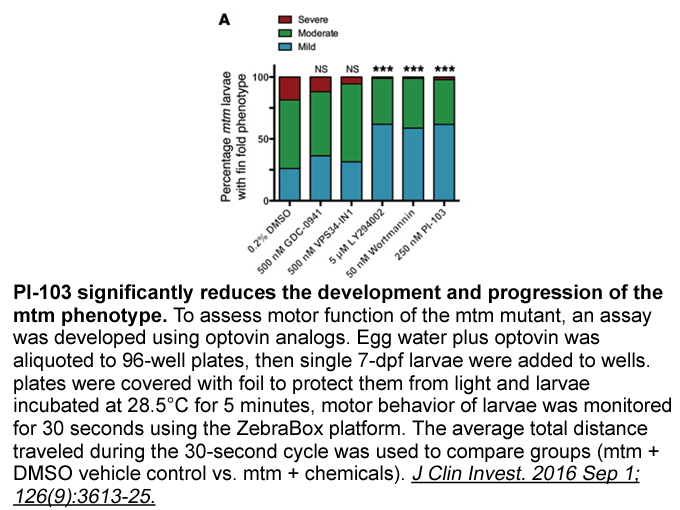
Introduction Cell motility is fundamentally important in morphogenesis, wound healing, and the immune response. One of the best-studied basic types of cell movement is lamellipodial motility [1, 2], characterized by a thin (∼0.1–0.2 μm), broad (∼10–40 μm) motile appendage containing a dynamic Spa
-
Our analysis has devoted limited attention to
2024-04-28

Our analysis has devoted limited attention to the standard corporate tax scheme with deductibility for interest payments that is in place in most countries. A conventional corporate tax scheme offers partial deduction of capital costs, and can be interpreted as a change in the degree of capital cost
-
br Conclusion br Conflicts of interest br
2024-04-28

Conclusion Conflicts of interest Introduction RNA interference is a specific post-transcriptional gene silencing mechanism within a cell via the transfection of microRNAs (miRNA), exogenous small interfering RNAs (siRNA) or small hairpin RNAs (shRNA) [1–3]. Transfection of shRNA can be done
-
The obtained results indicate that even when the
2024-04-28
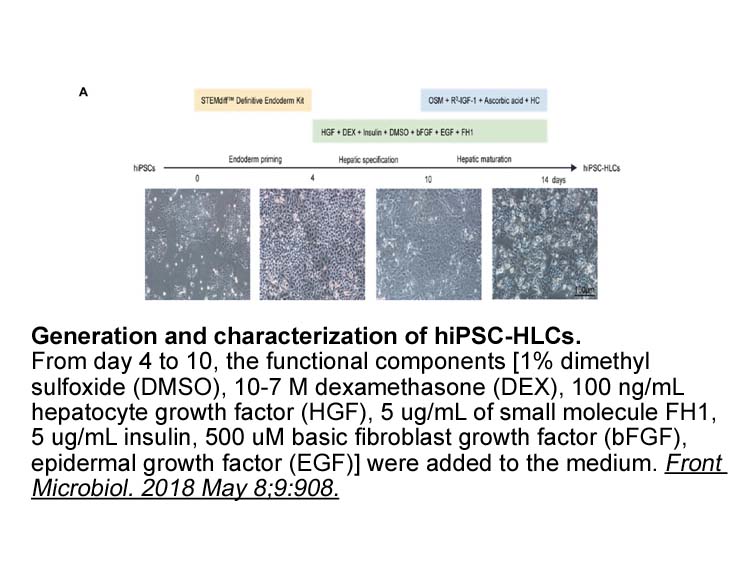
The obtained results indicate that even when the impairment of the same forms of memory are present, amnesia can develop in different ways. Impairment of memory reconsolidation in the conditioned food aversion model through both the serotonin receptor antagonist and the antagonist of NMDA glutamate
-
Autophagy is finalized through the coordinated
2024-04-27
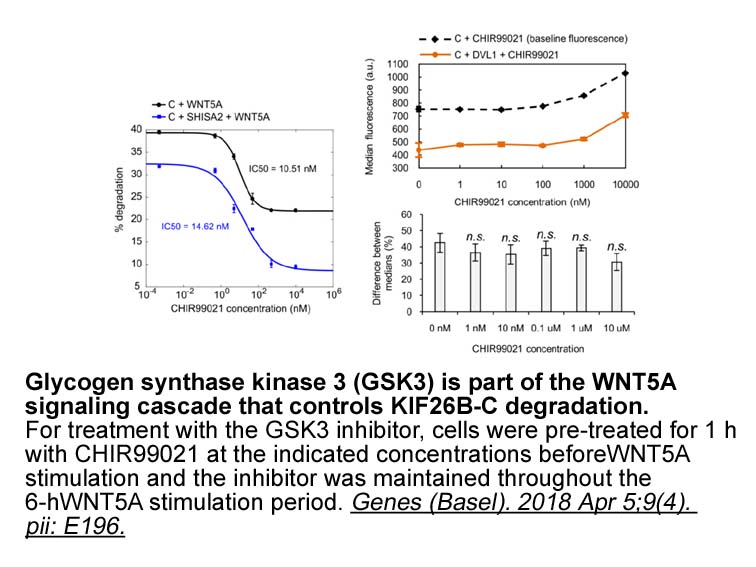
Autophagy is finalized through the coordinated positioning and fusion of autophagosomes with lysosomes, during which an array of common and specific membrane traffic-associated proteins is mobilized. Among these proteins, small GTPases, like Rab7, Rab34, or Arl8, and their Rifapentine proteins, regu
-
direct thrombin inhibitors Aurora B is also very
2024-04-27
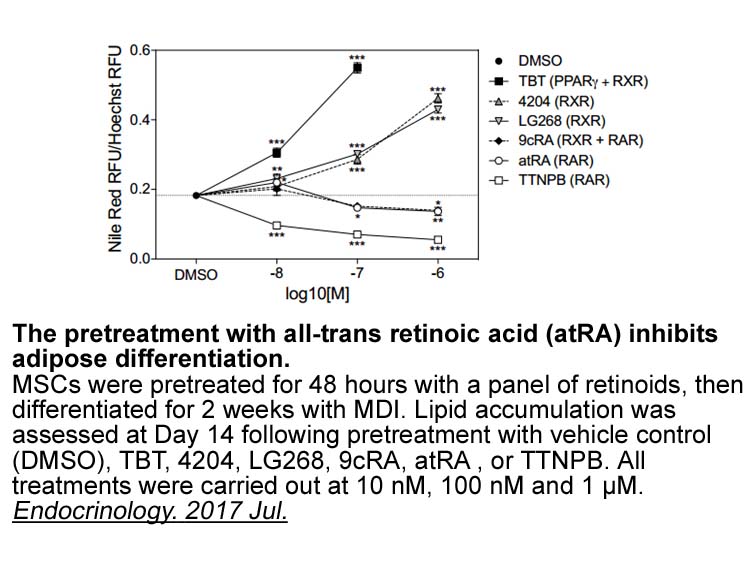
Aurora-B is also very important in proper cytokinesis. In the absence of Aurora-B mediated phosphorylation of Ser72 in vimentin, the two daughter cells remain attached to each other through bridges of cytoplasm; cytokinesis fails [31]. Other Aurora-B dependent proteins that are important for cytokin
-
The GRAVY value for a protein is calculated as
2024-04-27
The GRAVY value for a protein is calculated as the sum of hydropathy values of all the amino acids, divided by the number of residues in the sequence (Kyte and Doolittle, 1982). According to Kyte and Doolittle (1982) integral membrane proteins typically have higher GRAVY scores than do globular prot
-
V ATPase is a complex enzyme that is composed
2024-04-27
V-ATPase is a complex enzyme that is composed of several subunits, which are assembled into two domains: trans-membrane (V0) and cytosolic (V1) domains [3,5]. Epididymal epithelial Fumagillin of rats has been reported to contain V-ATPase which is distributed at the apical pole of the narrow and clea
-
br Introduction Endothelial progenitor cells EPCs
2024-04-27
Introduction Endothelial progenitor cells (EPCs) present a class of blood cells with an ability to form new blood vessels relying on pre-existing vessels, which contribute to postnatal angiogenesis [1], [2]. A wide range of studies have demonstrated that EPCs play a critical role in angiogenesis
-
In spite of this unexpectedly
2024-04-27
In spite of this, unexpectedly, after three-week cherry puree consumption no AC increase was observed, irrespective of the method used (Table 2). A statistically significant decrease of AC was even measured by LOX-FL and ORAC methods (−3.5% and −9%, respectively). Nevertheless, a much more evident d
-
Aconitase clusters are prone to
2024-04-27
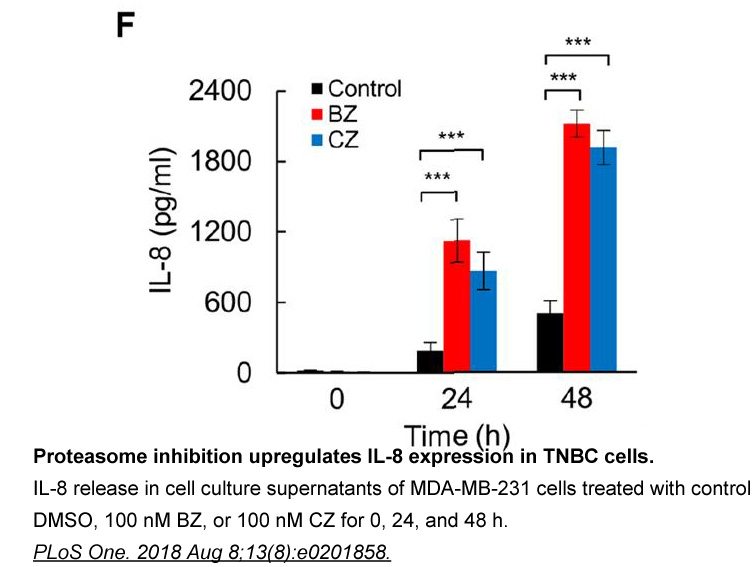
Aconitase clusters are prone to oxidations and are among the first to undergo a change in transition state during stages of electrophilic stress rendering them inactive [31]. Aconitase activity in LETO and OLETF did not differ at T0 suggesting that the early onset of insulin resistance may not be at
-
Expression of Twist and the AR are increased by oxidative
2024-04-27

Expression of Twist1 and the AR are increased by oxidative stress, but the change in the receptor (mRNA/protein) is lost after treatment with siRNAs that target Twist 1 (Shiota et al., 2010). Twist 1 was found to bind to E-boxes, 5′-CANNTG-3′, in the proximal promoter (−442 to +51 bp) and upstream r
-
Negative regulation of AR expression by
2024-04-27
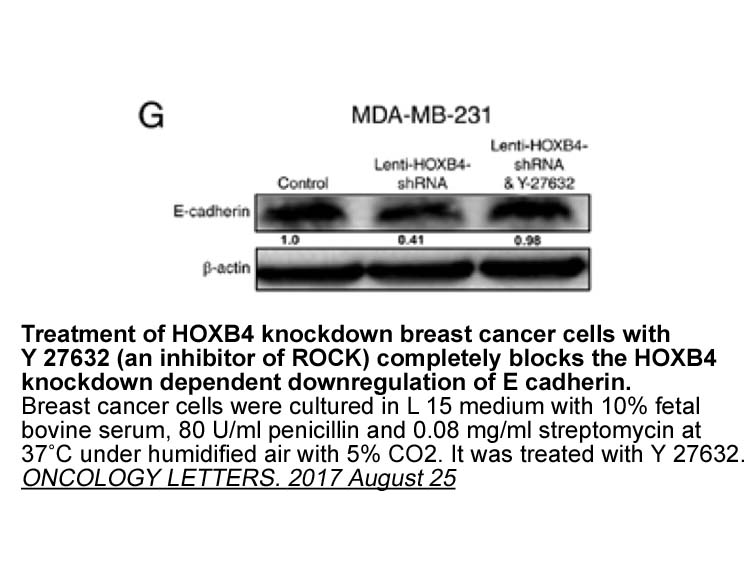
Negative regulation of AR expression by NFκB was also correlated with the ‘age-dependent desensitisation’ of androgen action in the rat liver (Supakar et al., 1995). In this case the binding site was mapped upstream of the gene to sequences −555 to −565 bp, that binds heterodimers of p65 and p50, as
-
To date defining the prognostic impact of
2024-04-27
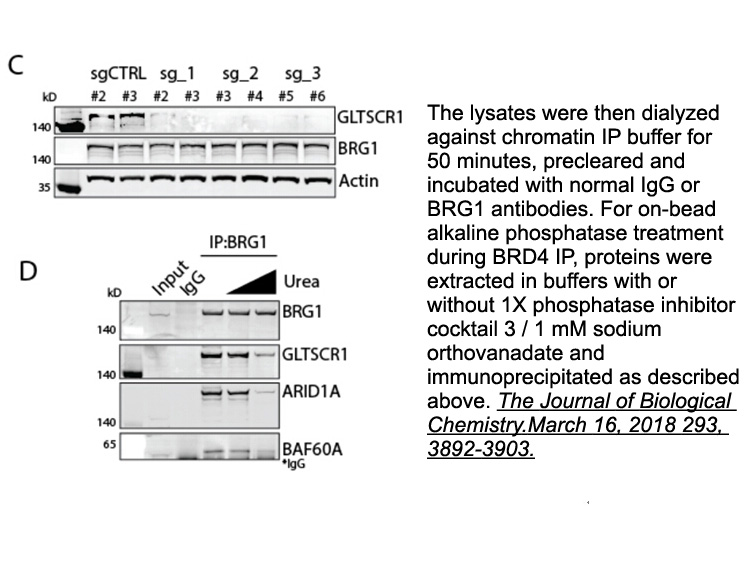
To date, defining the prognostic impact of molecular drivers of early-stage NSCLC has been challenging due to the relative rarity of these subsets and the redefinition of comparator arms over time as understanding of the molecular drivers of NSCLC evolved. Indeed, use of molecularly heterogeneous co
-
Glycerol dehydratase GDHt EC is a key enzyme for
2024-04-27
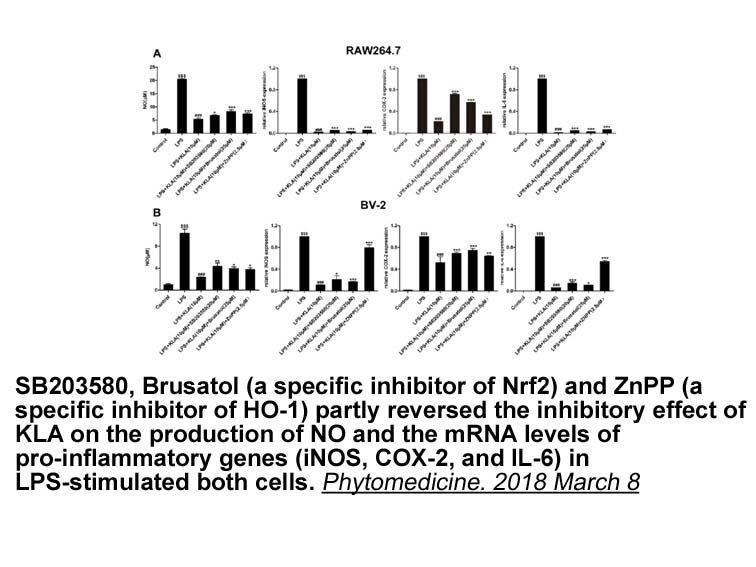
Glycerol dehydratase (GDHt, EC 4.2.1.30) is a key enzyme for the bioconversion of glycerol into the value-added chemicals and thereby has recently attracted a great deal of attention as an essential component for metabolic engineering . GDHt carries out a radical-mediated turnover of glycerol into 3
8065 records 193/538 page Previous Next First page 上5页 191192193194195 下5页 Last page