Archives
- 2026-08
- 2026-07
- 2026-06
- 2026-05
- 2026-04
- 2026-03
- 2026-02
- 2026-01
- 2025-12
- 2025-11
- 2025-10
- 2025-09
- 2025-03
- 2025-02
- 2025-01
- 2024-12
- 2024-11
- 2024-10
- 2024-09
- 2024-08
- 2024-07
- 2024-06
- 2024-05
- 2024-04
- 2024-03
- 2024-02
- 2024-01
- 2023-12
- 2023-11
- 2023-10
- 2023-09
- 2023-08
- 2023-06
- 2023-05
- 2023-04
- 2023-03
- 2023-02
- 2023-01
- 2022-12
- 2022-11
- 2022-10
- 2022-09
- 2022-08
- 2022-07
- 2022-06
- 2022-05
- 2022-04
- 2022-03
- 2022-02
- 2022-01
-
Conjugated BAs via S PR
2022-05-26
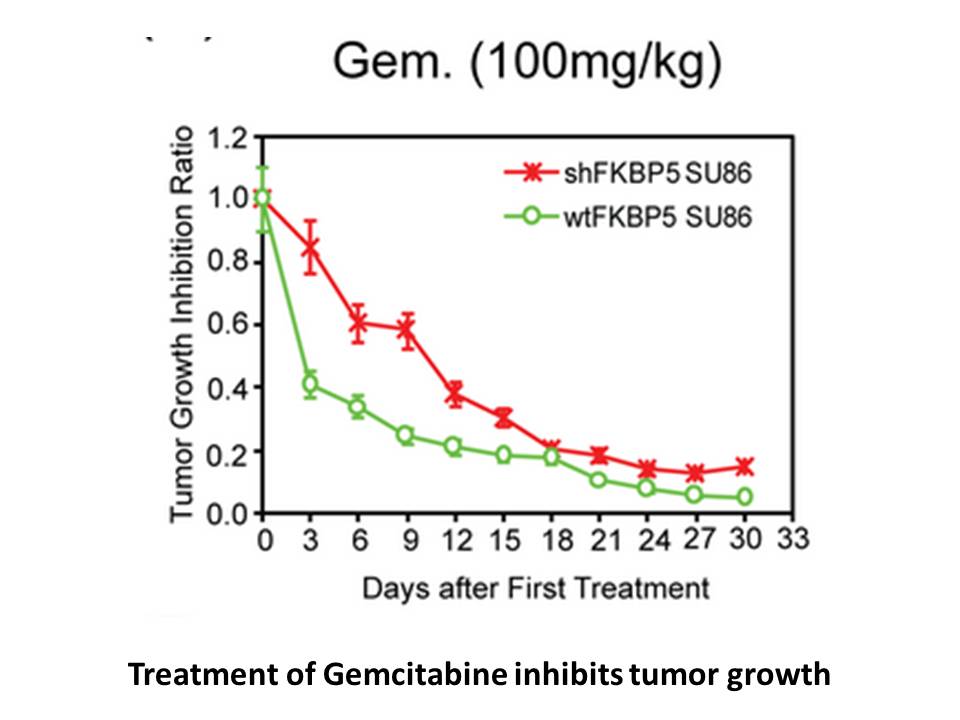
Conjugated BAs via S1PR2 also activate ERK1/2- and AKT-signaling pathways leading to the growth and invasion of cholangiocarcinoma cells. The role of conjugated BAs via S1PR2 to regulate apoptosis or cancer progression remains to be dissected. Nevertheless, there is no doubt that the composition of
-
Variants of NEIL were also analysed in
2022-05-26
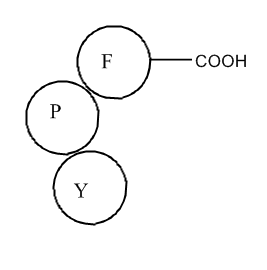
Variants of NEIL1 were also analysed in Primary sclerosing cholangitis (PSC) and cholangiocarcinoma (CCA) patients by Forsbring et al. to identify effect of variants on these diseases. Four variants were identified i.e., one earlier validated (G83D) and three novel (E181K, H275, R339W). E181K was fo
-
The usefulness of GIP R antagonism for the treatment of
2022-05-26
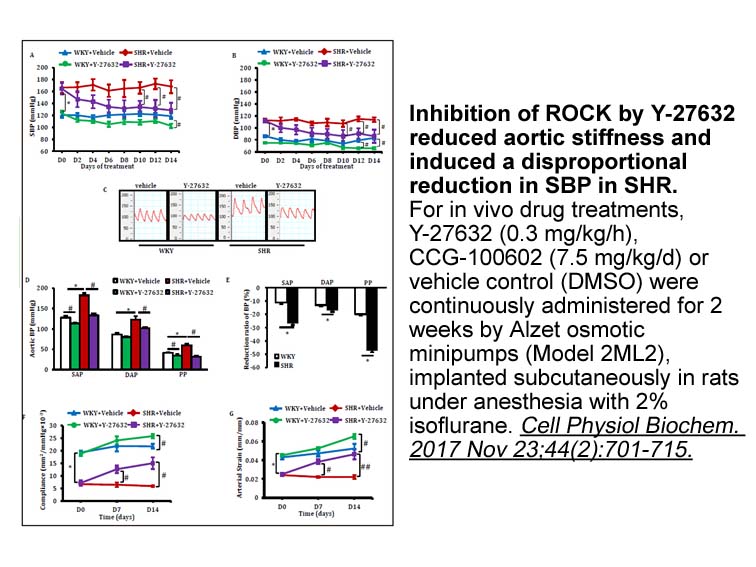
The usefulness of GIP-R antagonism for the treatment of obesity-diabetes has been revealed in numerous studies employing knockout or chemical blockade of GIP-R signalling.*88, 89, *90, 91, 92, 93, 94, 95, 96, *97 For example, sub-chronic daily administration of (Pro3)GIP to ob/ob mice results in sig
-
As many of the above
2022-05-26
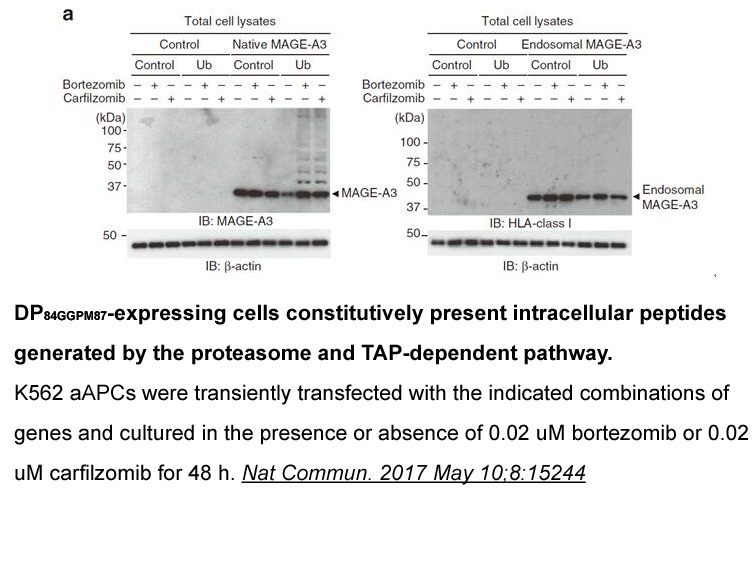
As many of the above studies highlight, several decades of research on Cx43 has revealed that many of these functional roles are attributed to the C-terminal domain (CT) of this protein which cannot be explained by the formation and existence of intercellular channels. Recent findings on the existen
-
br Although D reconstruction of an invertebrate gap
2022-05-26
Although 3D reconstruction of an invertebrate gap junction channel from native tissue of crayfish was reported in 1991, the negative-staining EM imaging was limited to low-resolution structural analysis [39]. The oligomeric number of innexin channels was believed to be the same as that in connexin
-
Psoriasis is an inflammatory skin disease characterized
2022-05-26
Psoriasis is an inflammatory skin disease characterized by epidermal hyperplasia; micro-abscesses; neo-angiogenesis; a proinflammatory cytokine environment involving alterations of IL-17A, IL-23, and TNF-α; and activation of and infiltration by macrophages, mast cells, neutrophils, CD11c+ dendritic
-
Introduction Initially postulated to represent the main
2022-05-26
Introduction Initially postulated to represent the main source of ATP production in eukaryotic cells, mitochondria are recently recognized to perform manifold essential functions beyond energy production, impacting most areas of cell biology and medicine [1]. Mitochondrial metabolism is both the ba
-
Bile acids BAs are detergent like amphipathic molecules synt
2022-05-26
Bile acids (BAs) are detergent-like amphipathic molecules synthesized from cholesterol in the liver, stored in the gallbladder, and released into the intestine after food intake in order to facilitate the caffeic acid sale of dietary lipids and liposoluble vitamins. BAs travel along the intestine a
-
In conclusion a series of new carboxamido aryl isoxazoles wa
2022-05-26
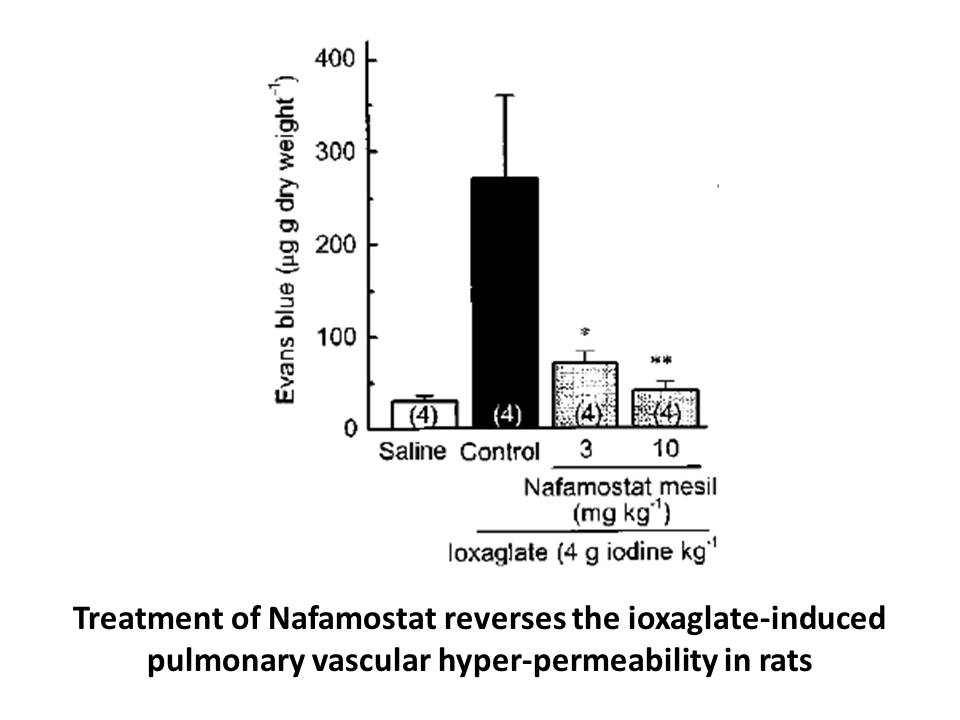
In conclusion, a series of new 3-carboxamido-5-aryl-isoxazoles was designed, synthesized and screened for their inhibitory potency against FAAH. Their cytotoxicity was determined and their lipophilicity was calculated. Compounds bearing a 3-substituted biphenyl moiety with high Log values displayed
-
We reveal that the four well known vertebrate families of
2022-05-26
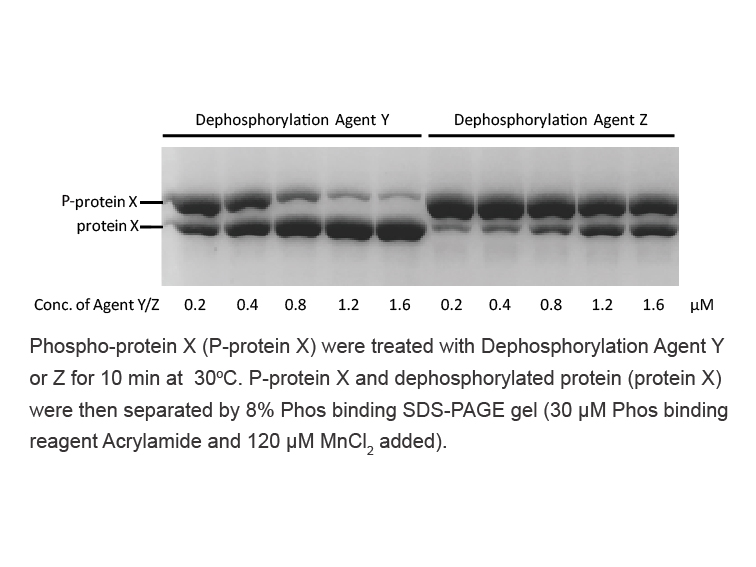
We reveal that the four well known vertebrate families of KAT enzymes (GNAT, MYST, P300/CBP, Basal transcription factor/nuclear receptor co-activator) seem to be conserved (Karmodiya et al., 2014; Roth et al., 2001; Sheikh & Akhtar, 2018) in the mangrove rivulus, together with Camello, a potential n
-
The most abundant form of Hat
2022-05-26
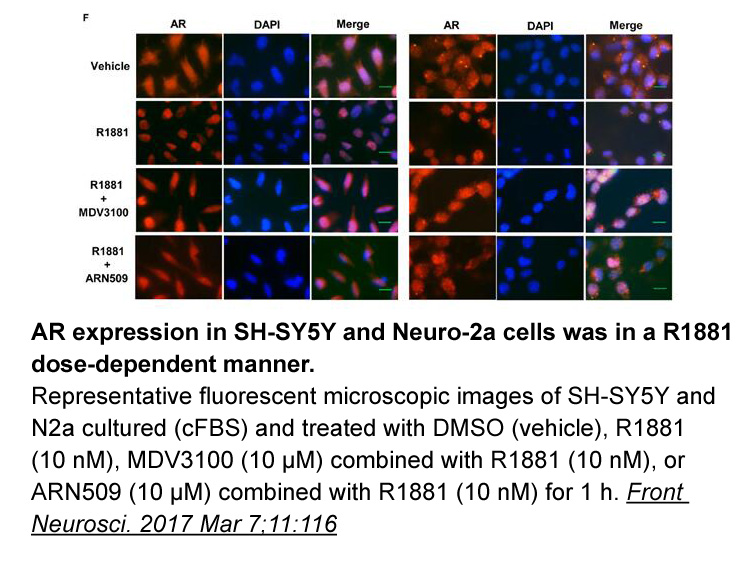
The most abundant form of Hat1p in the nucleus is apt to be in the form of the NuB4 complex [96]. In the context of PD 0332991 assembly, the function of the NuB4 complex may be similar to that ascribed for the cytoplasmic HAT1 complex. That is, the NuB4 complex may be involved in directing newly sy
-
br Acknowledgments br Introduction Liver
2022-05-25
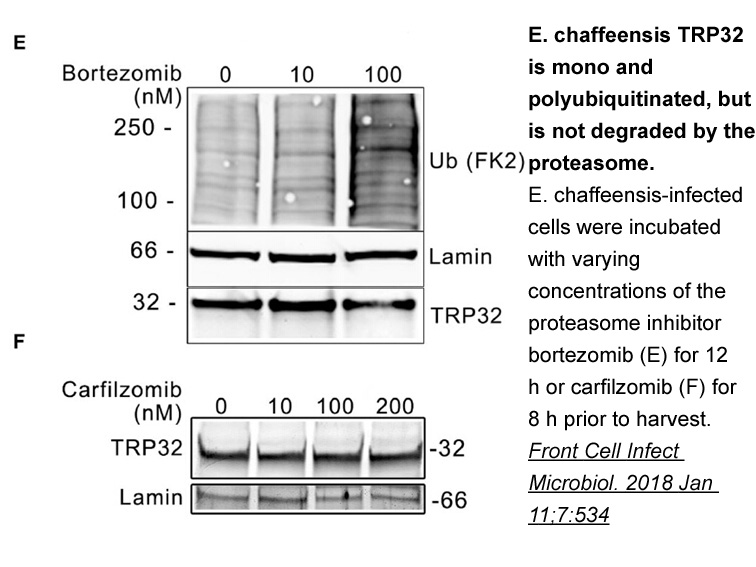
Acknowledgments Introduction Liver disease is one of the leading causes of death worldwide. Death from any type of acute or chronic liver injury results when sufficient healthy hepatic parenchyma cannot be regenerated to perform vital liver-specific functions. Although the regenerative capabil
-
Considering that TGF plays a pivotal role in inflammation re
2022-05-25
Considering that TGF-β1 plays a pivotal role in inflammation, renal fibrosis, cell growth, differentiation, and apoptosis, it has been viewed as a vital mediator in kidney disease [49,50]. Studies have demonstrated that TGF-β1 is upregulated in both human and experimental kidney diseases [51,52]. TG
-
PLP has been found to be
2022-05-25

PLP has been found to be effective inhibitor of many enzymes that have Schaftoside sale for phosphate-containing substrates or effectors, including RNA polymerase [14], [15], reverse transcriptase [16], and DNA polymerase [17], [18]. Oka et al. [19], [20] reported that vitamin B6 deficiency generall
-
br Molecular mechanisms underpinning GSNOR function
2022-05-25
Molecular mechanisms underpinning GSNOR1 function in the defence response Recently, Arabidopsis GSNOR1 has been shown to govern the extent of S-nitrosylation of two key regulatory proteins, Non-Expresser of Pathogenesis-Related Genes 1 (NPR1) and SA binding protein 3 (SABP3), which are integral t
8064 records 455/538 page Previous Next First page 上5页 451452453454455 下5页 Last page